Aviation & Car tech: Reviews, How to's, Products, Shows, Design & Manufacturing, photography, video, Home built aircraft, UAV / RC, General Aviation, Car fix & mod
The Integral R is a recent 2 seat acrobatic training aircraft from France. It’s powered by a Lycoming AEIO-390. I think its a fairly sharp looking acrobatic aircraft for a side by side configuration and it reminds me of a CAP 232 also from France. The Integral R is available in a tail draggier and nose wheel config.
This aircraft of the month is the Global Explorer, designed by Dean Wilson for Hubert de Chevigny. Dean was the “grandfather of Idaho bush planes” founding Avid aircraft in the early 1980’s. While Piper Cub configuration aircraft dominate most bush aircraft Avid feature side by side seating with folding wings. The front and back wing spars are aluminum tubes and have wood ribs. They also feature full flying flaperons and highly under cambered airfoils. Avid paved the way for aircraft like the Kitfox, Highlander & Rans. My Dream homebuilt aircraft growing up is the Avid Magnum (9/22 aircraft of the month) a larger o-360 powered version of the flyer series.
As post in Facebook and Instagram can get lost quickly or even deleted thought I would pay tribute to Dean Wilson with this article.
Here is a copy of the text from the Facebook article above:
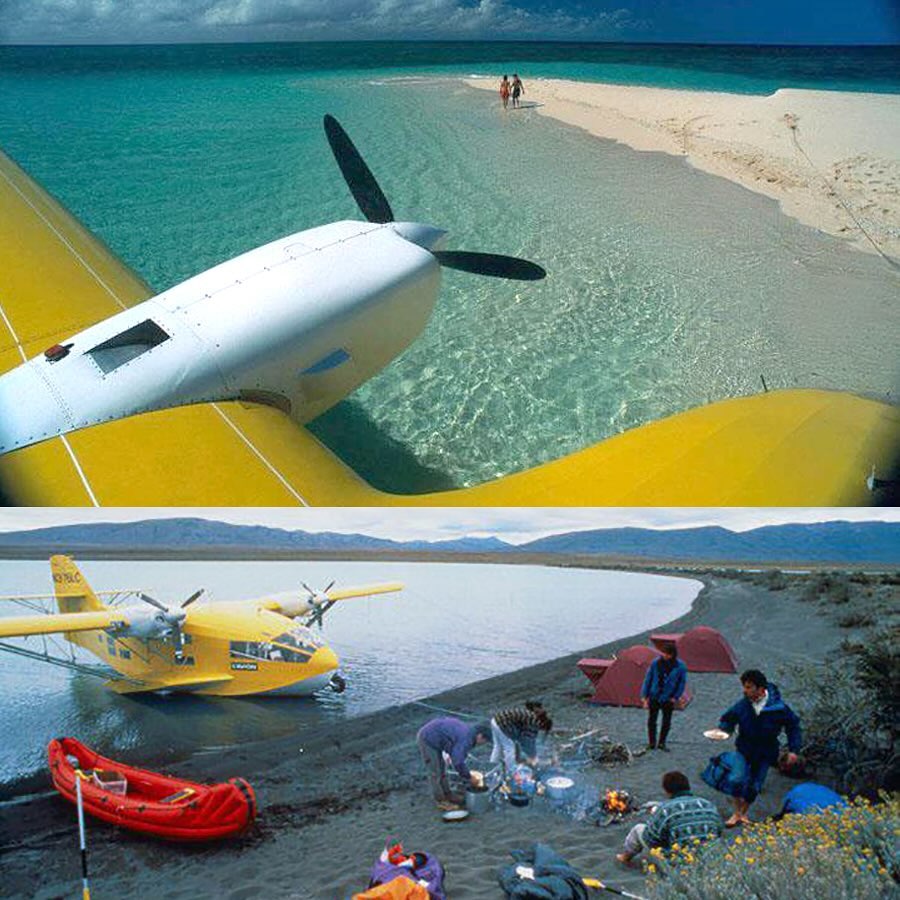
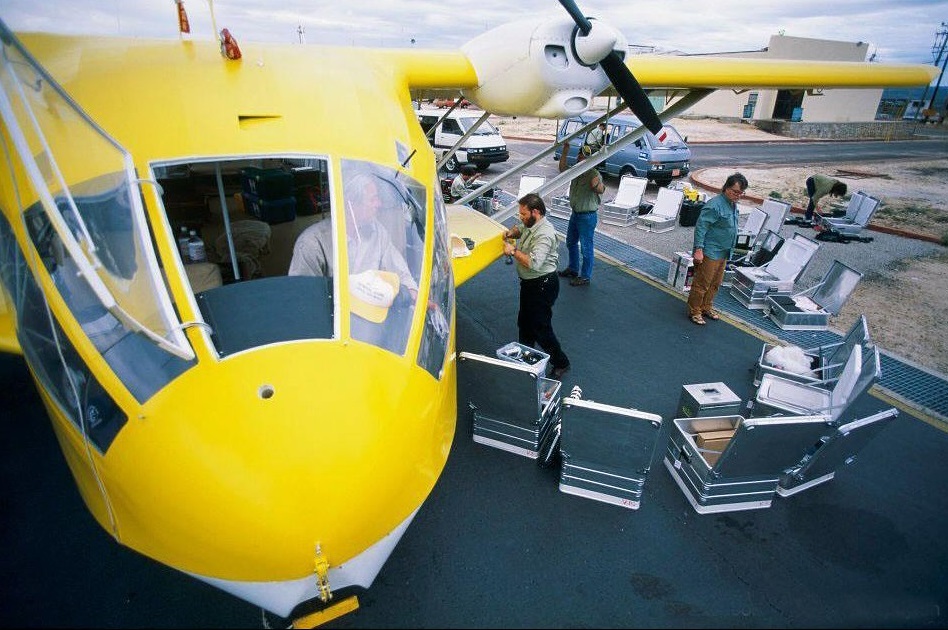
“Wouldn’t it be great to have a flying RV? Meet the Wilson Global Explorer. Possibly the largest homebuilt aircraft ever built, this monstrous machine was developed in the early 90s by Dean Wilson, prolific designer of the Avid Flyer line of homebuilts. The aircraft was built to order for french explorer Hubert de Chevigny, and designed as a “flying lab”, allowing the frenchman to explore remote regions days at a time. (like Jacques Cousteau)
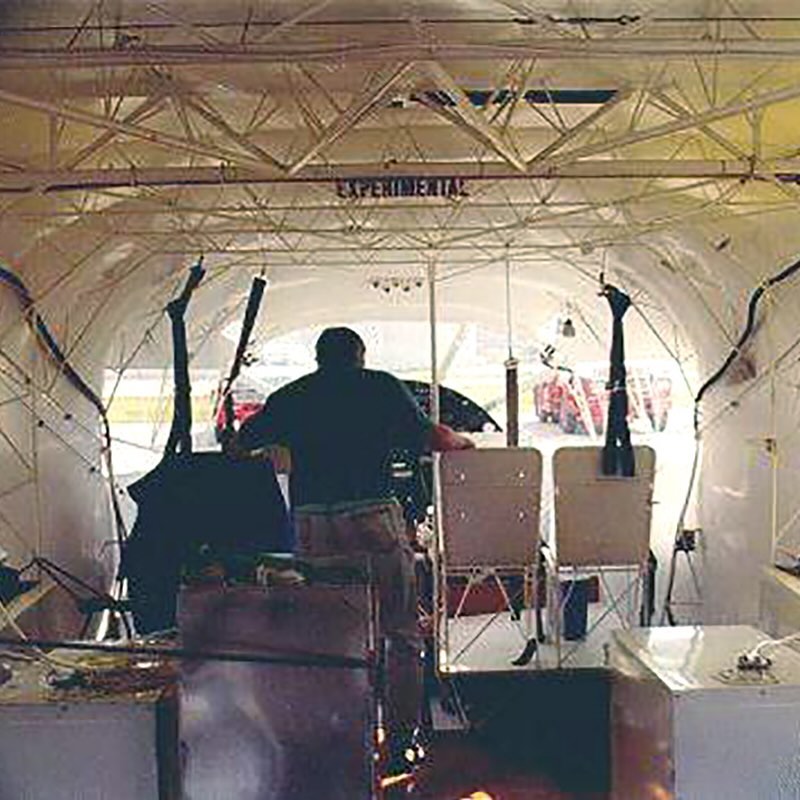
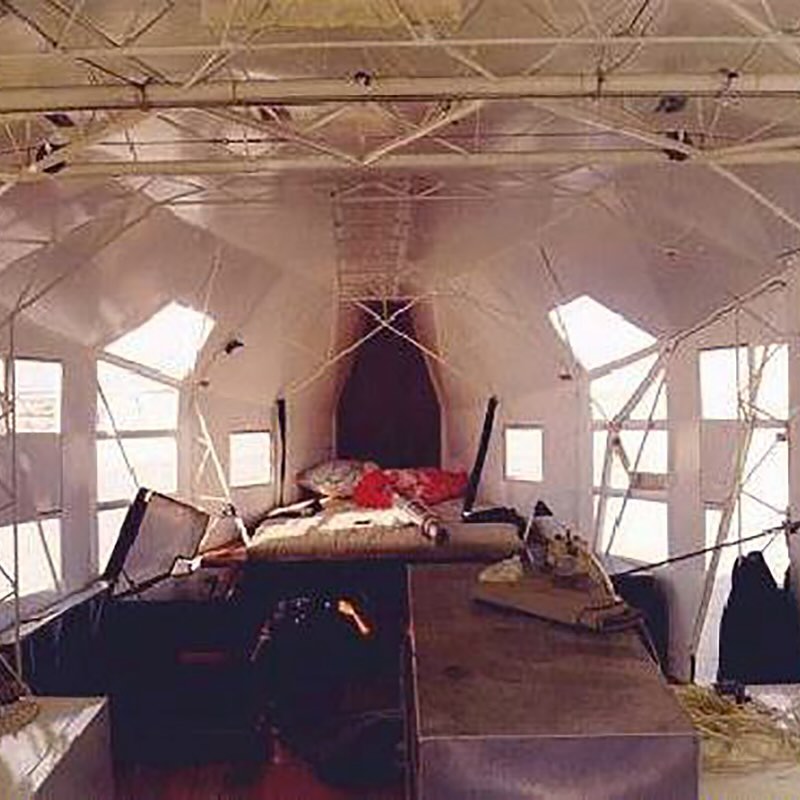
With a gross weight of 8,000 lb, it was powered by 2 Lycomings (250hp and later upgraded to 300hp). Considering its huge wing area, it was more akin to a powered glider than aircraft, with a cruise speed of 95 kts. Perfect for exploring down low and slow. The cavernous fuselage could comfortably accommodate a small family, and even had enough room to fit an Avid Flyer or Robinson R-22 inside. A glass window built in the rear of the fuselage floor allowed you to watch the fishies..just like a glass-bottom boat!
Surprisingly, given its mission, there are not many pictures to be found, in fact some of the cabin interior shots are screenshots from a video.
Explorer 1 crashed in France, as the pilot attempted to takeoff unaware the spoilers were deployed. “Explorer 2” was promptly built, where it resumed exploration flights in Australia’s Great Barrier Reef, Argentina’s Tierra del Fuego and Bolivia. It was then sold, and also crashed during a ferry flight. Last known location is somewhere in SW France – not sure if there’s plans to resurrect the Explorer. ”
As you can see the global explorer is one huge homebuilt aircraft, the sea plane configuration and twin engines allow this aircraft true global reach.
The interior space of the aircraft is comparable to an RV, fuselage like its Avid predecessors is all small diameter welded 4130N chromoly tubing.
I’m surprised Jimmy Buffet or Kermit Weeks did not have one commissioned for their own use.
Was only able to find 2 videos on YouTube of the aircraft:
Additional info on the Global Explorer is very limited, there are some wood models on ebay (proceed with caution). With a good 3 view an RC scale model would not be too difficult to do.
The Giles 200 series aircraft was a popular Acrobatic aircraft developed in the early 90’s in Scappoose Oregon by AkroTech Aviation Inc. Like the Ultimate Biplane its likely more famous as an RC aircraft than the original. Only 12 single seat G-200’s & 26 tandem seat G-202’s where produced so seeing one at a show may be a rare sight.
I remember seeing all kinds of scales of Giles G-202’s quite often at the Jefco Aeromod lers RC filed in at Chat field resistor south of Denver.
Compared to its contemporaries like the Extra 300 or the Cap 232, the Giles series featured a swept back leading edge and a straight trailing edge. A plan form that is quite common on RC pattern Aircraft.
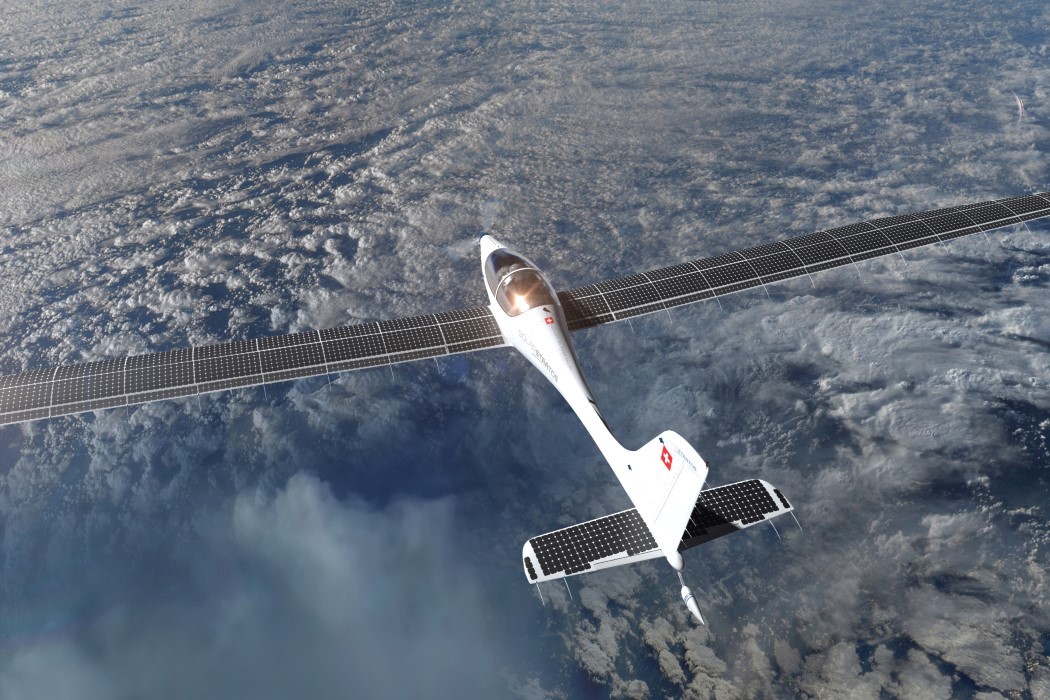
The Solar Stratos is record breaking test aircraft that uses solar power aimed to reach up to 82,000′ with a Propeller. This is U2 / SR-71 Altitude territory. The first flight was in 2017 and the is from Switzerland.
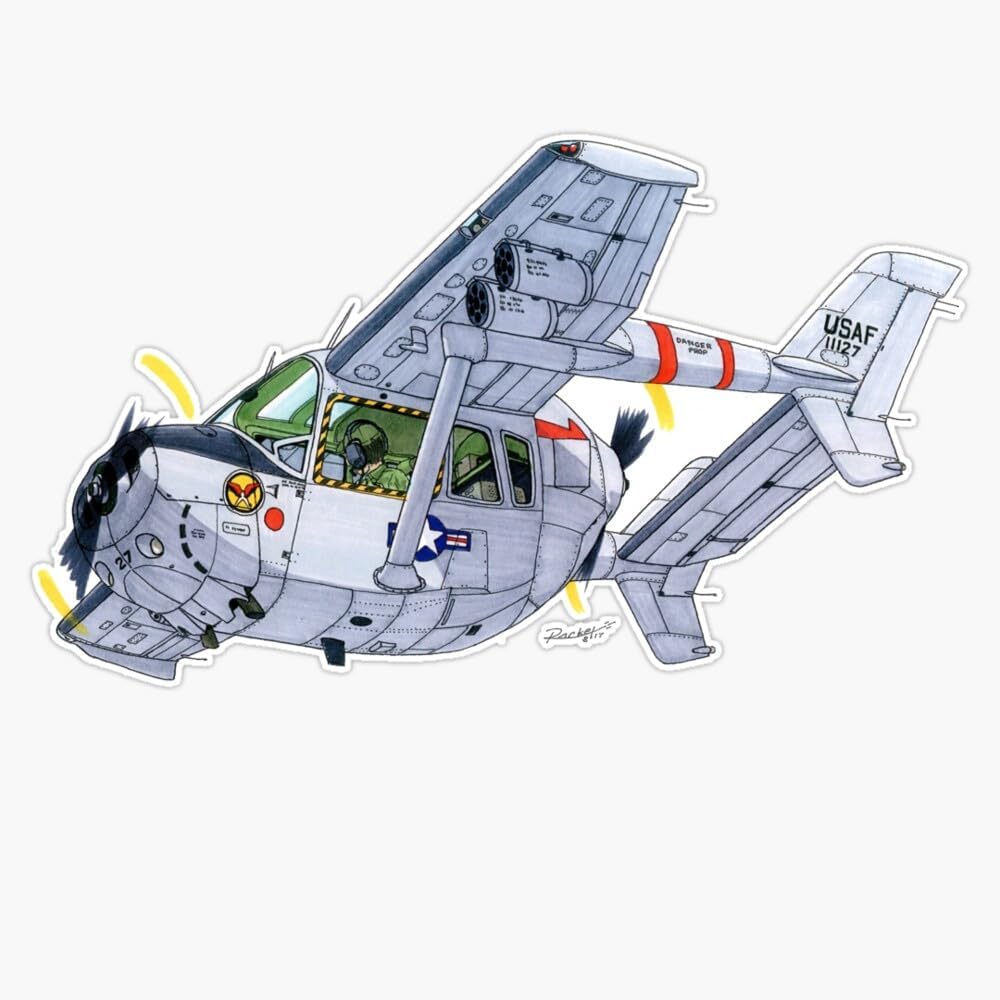
In keeping with the aircraft of the month being of unique aircraft that are not totally common this entry is from one of the most common GA manufactures out there Cessna. The Skymaster series is a unique puller / pusher configuration I’m sure got some inspiration from Dornier and later gave inspiration to the Adam 309.
Production ran from 1963 – 1982 with almost 3,000 built. It benefited with some parts commonality across other Cessna products helping its production duration and quantity. It even served in Vietnam as a forward air control aircraft.
With the aircraft coming from such a large GA manufacture and with such a long production run there is a good amount of items on Amazon for the Skymaster.
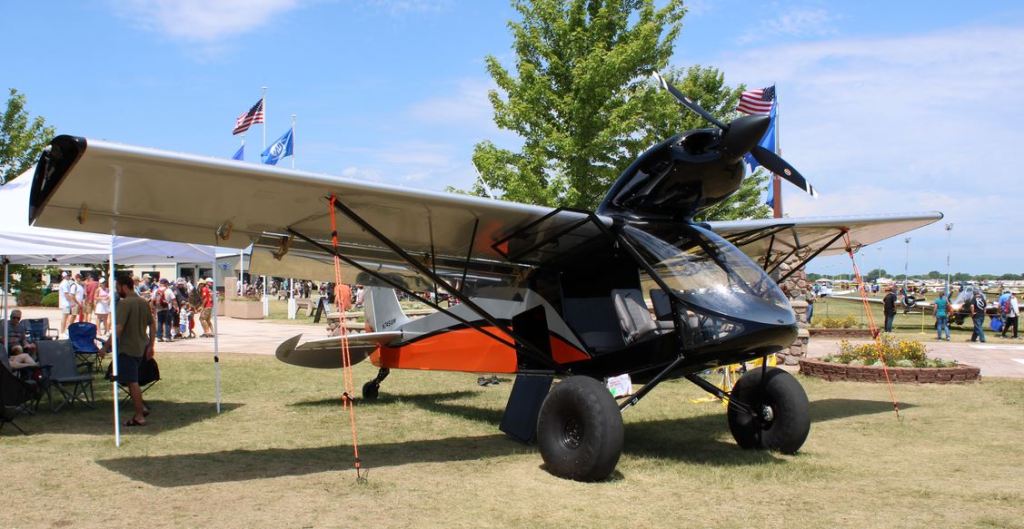
The Lewis Ascender can trace its roots back to the Piper PA-18 Super Cub. & The Wild Double Ender. This aircraft features helicopter like visibility with out the aircraft or operational cost of a helicopter. There is interest in offering the aircraft as a kit but its currently a one off.
Several articles on the aircraft and the people behind it:
The Seastar comes from a very long linage of flying boat from Germany dating back to 1914.
The aircraft first flew in 1984 and has seating for 12. The controlling int rest in the design has gone through several hands and is currently held by Dornier Seawings.
The tractor / pusher arrangement is a staple of Dornier designs, this one uses PT6 turbo props.
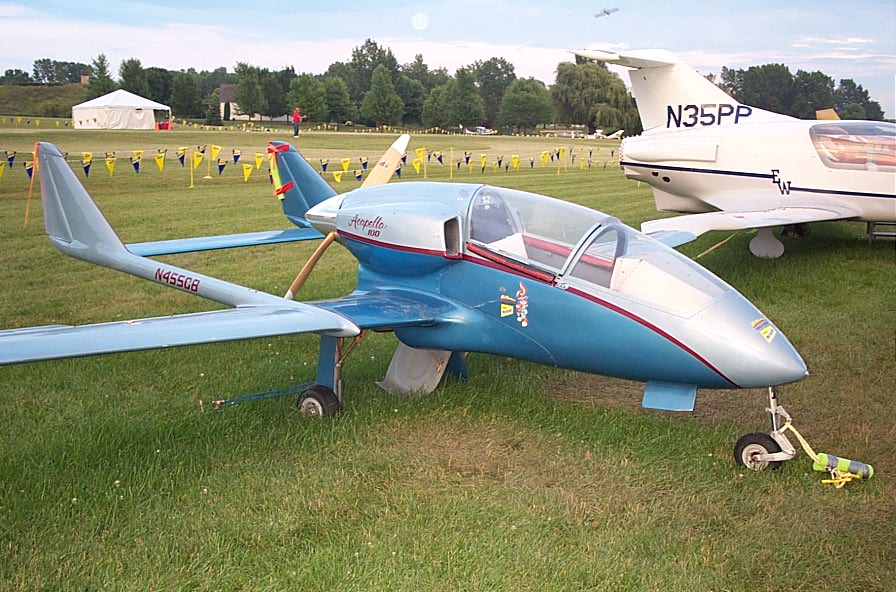
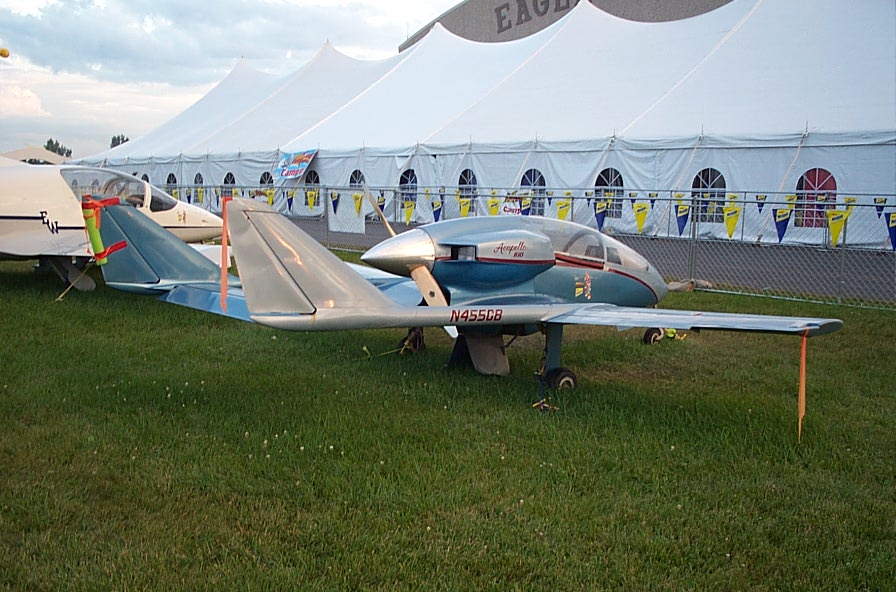
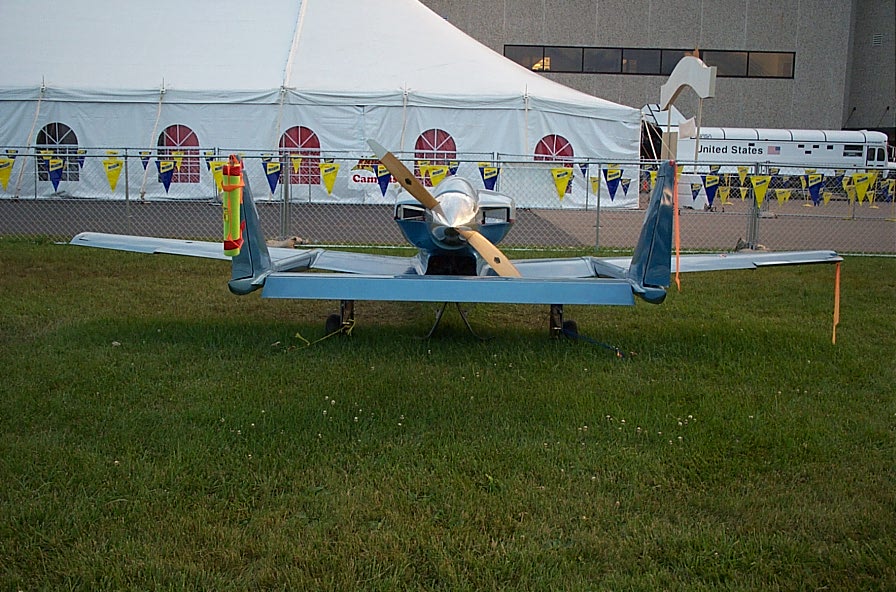
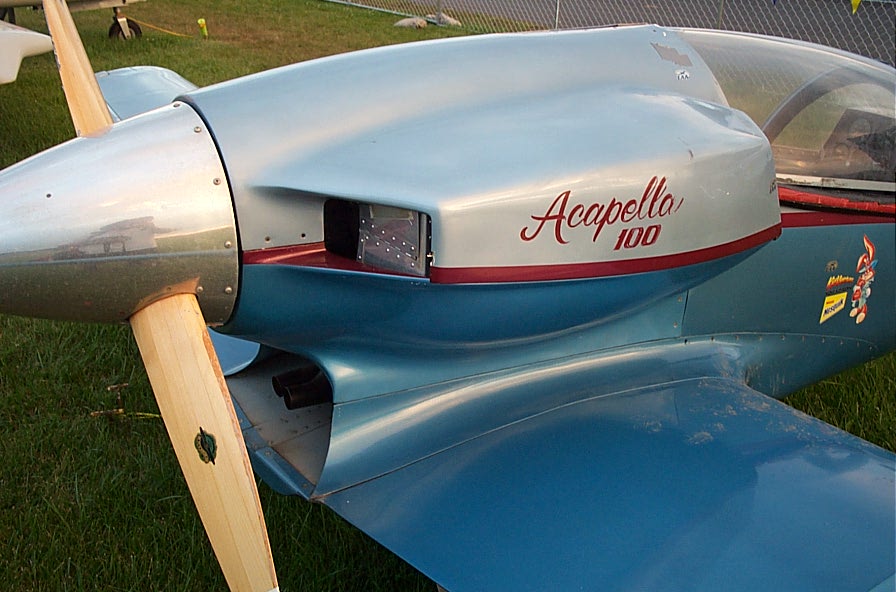
My Amazon Cloud Photos had photos from this day 8/1 from the Oshkosh 2003 airshow I attended. In the photos was a few detail shots of the Acapella 100 home built aircraft.
Its based of a BD-5 Fuselage but sports a twin boom design and a large O-360 motor
Info is limited on this aircraft however there are a few sites & mentions:
Last info I can find is its still at the Whitman airport in Wisconsin
A close up of the nicely contoured cowling over the O-360 Motor. Should note the original BD-5 only had a 70 hp engine on average, less than half the power of this one.
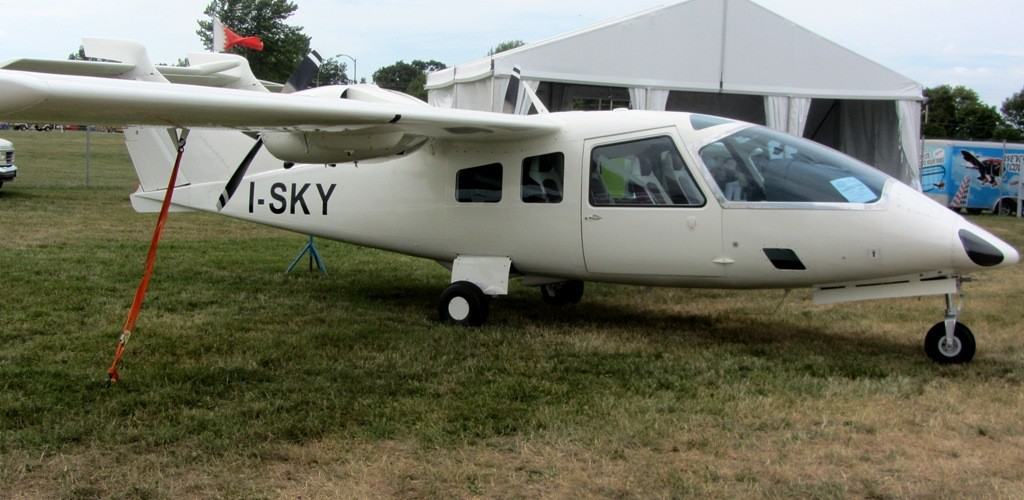
The OMA SUD Skycar was a unique twin engine pusher with a twin boom & hatchback feature made in Italy in the mid 2000’s
Info is limited on this unique aircraft, some reports noted that it was under powered and from what I can tell only the one prototype exist (reg I-SKY)


























 Gould Aero