Aviation & Car tech: Reviews, How to's, Products, Shows, Design & Manufacturing, photography, video, Home built aircraft, UAV / RC, General Aviation, Car fix & mod
Back in the early 2000’s I got to do Acrobatic Training in a Super Decathlon at KPRC Prescott AZ. This aircraft is one of the best entries into Acrobatics & Tail Wheels, gaining more confidence and capability as a pilot.
The Decathlon started Production in 1972 and is a derivative of a Citabria.
Prices range from 50 to over 200K depending on year, condition etc.
There are some RC Options available. Great Planes made a 64″ kit that you may be able to find on eBay or a large hobby shop like Graves in Orlando FL. Outerzone has the plans for it at:
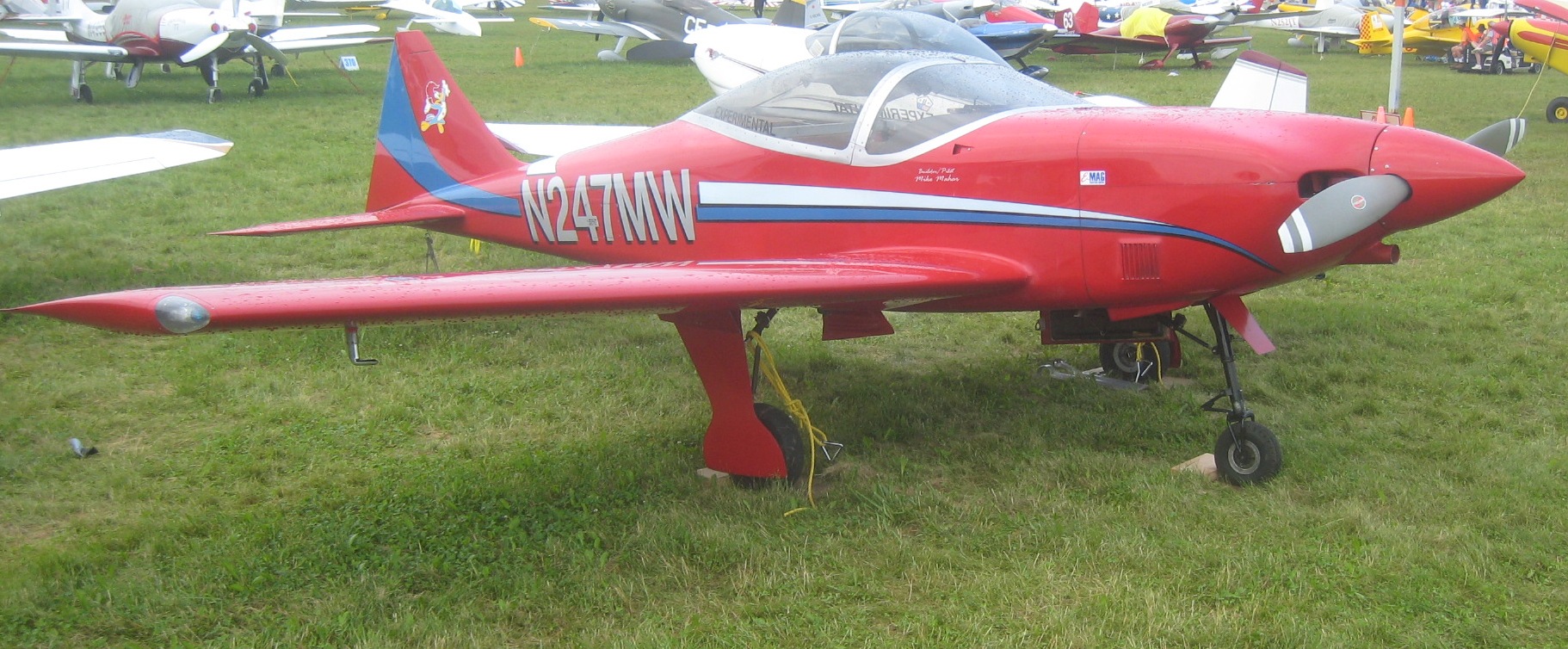
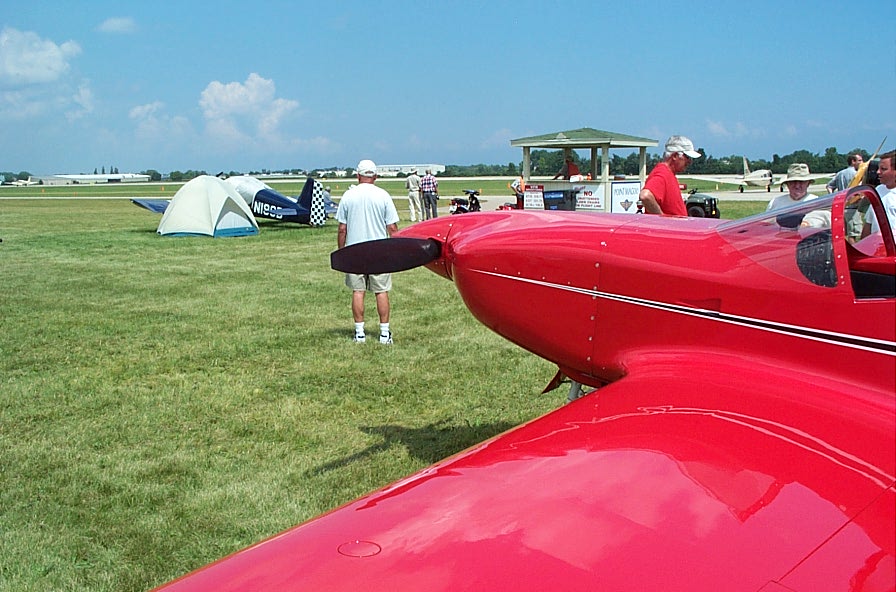
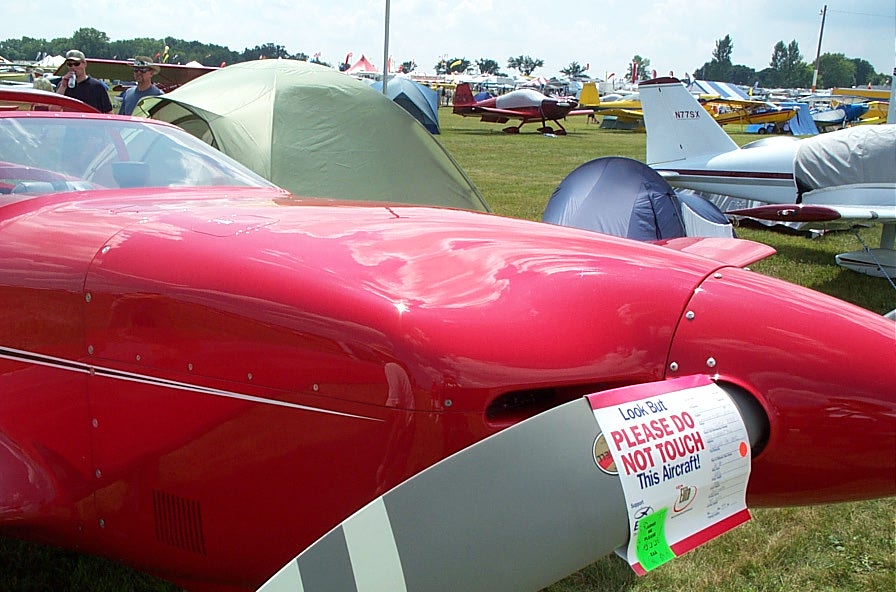
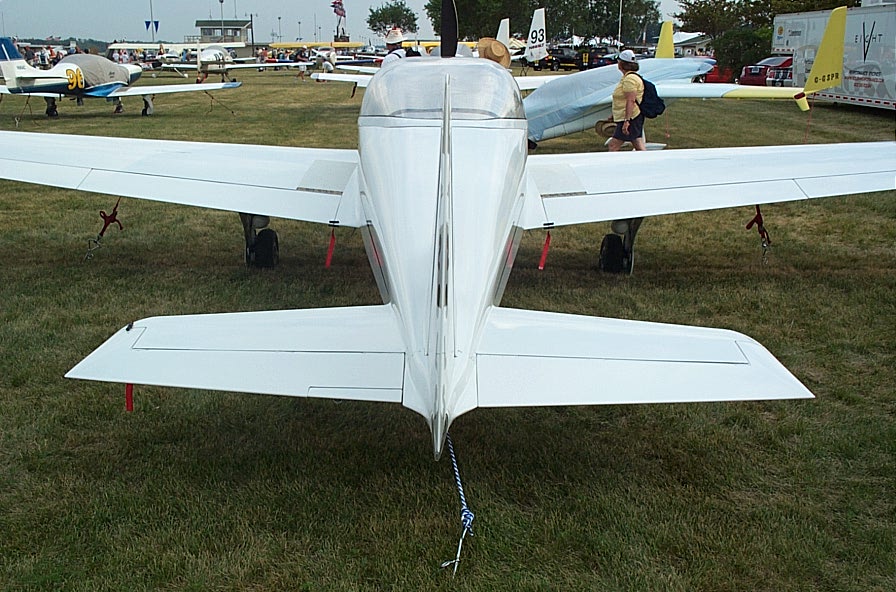
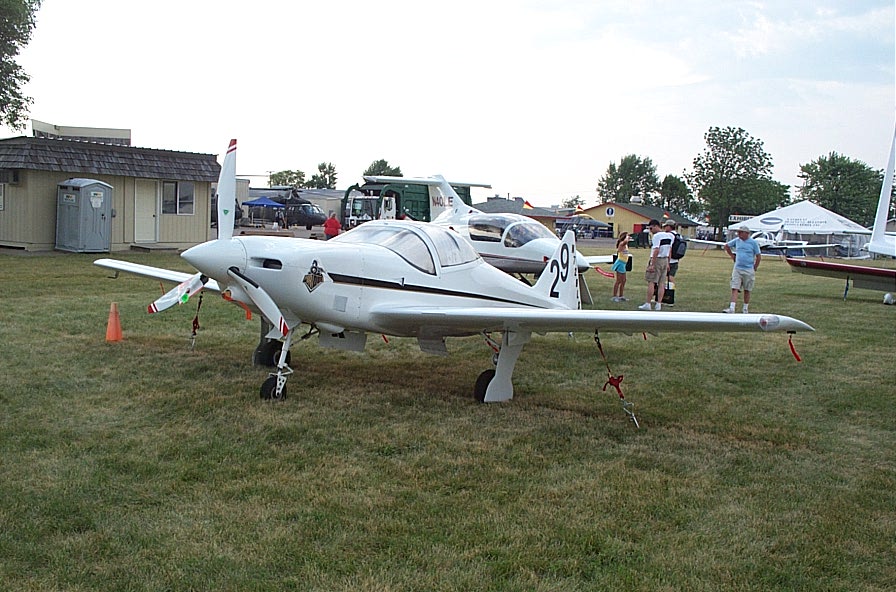
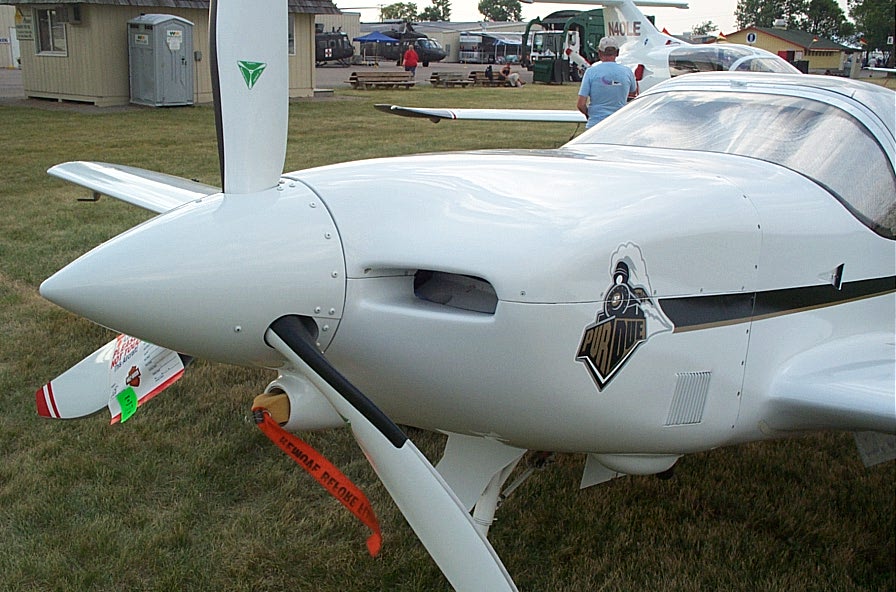
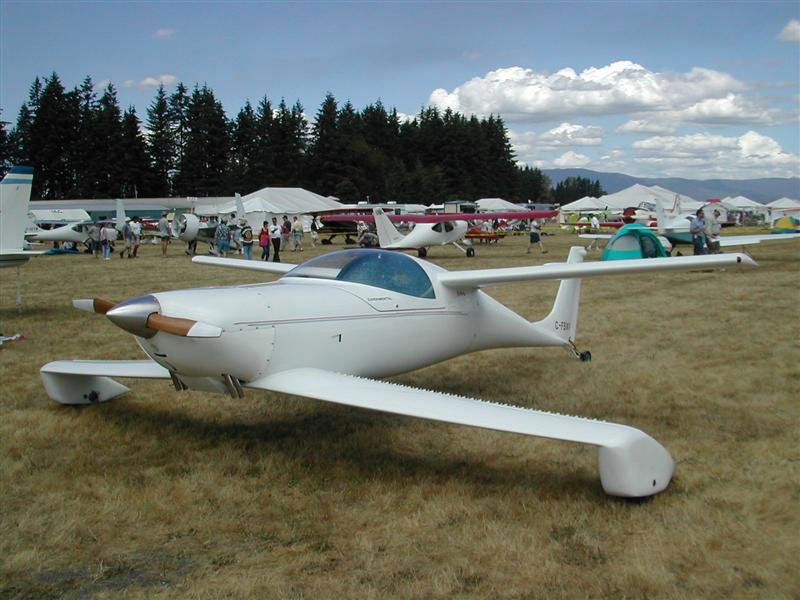
The GP-4 is one of those aircraft you see at an airshow that really makes you pay attention. Being around Experimental Aircraft since the early 90’s the common impression from the “general public” is something that is crude, slapped together and unsafe. The GP-4 is a dramatic example of refinement for something that is plans built, with a Aerodynamic shape, style and finish that puts production aircraft at 4X the cost to shame.
From what I have found there are no available Plans, Kits or Downloads for the GP-4, however with modern tech like 3d scanning iPhones, Powerful Cad Software and 3D printers it would not be too difficult to create a RC version of this impressive Aircraft.
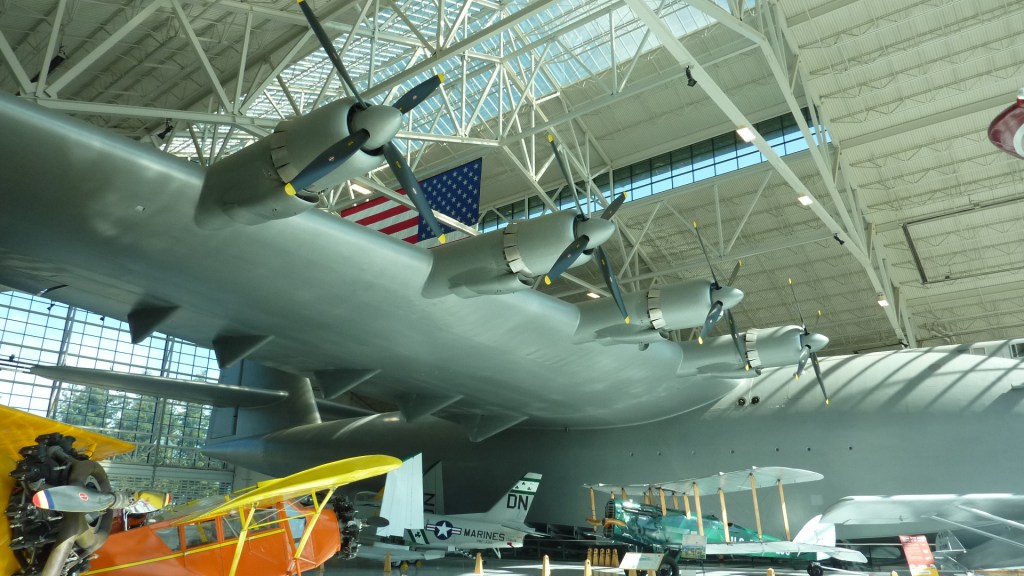
I recently got to see a very interesting documentary on moving the H4 Spruce Goose from California to Oregon on YouTube. I got to see this unique aircraft at the Evergreen Aviation Museum just outside of Portland Oregon, on a few days off from a company trip in 2014. https://www.evergreenmuseum.org/https://en.wikipedia.org/wiki/Evergreen_Aviation_%26_Space_Museum. If your into historic aircraft this Museum is one of the best in the country with the Smithsonian NASM in Washington DC, USAF Museum in Dayton Ohio & the EAA Museum in Oshkosh Wisconsin as peers and is well with the drive alone from any of the surrounding states.
When you see it in person its difficult to get the whole aircraft in one shot with out a wide angle lense
Much of the structure is actually laminated wood with grain direction for optimized strength and is a pre curser to modern composite aircraft structures. They have a few displays of some details of the construction methods along with a scale model of the aircraft under construction.
An ominous shot from a rear quarter view with a ME-262 and a FW-190 showing what this war bird would have been up against if it would have been operational in the war.
My personal thoughts on the aircraft with the context of seeing the 2004 movie the aviator and a few documentaries on Hughes is its a mix of a technology path finder paving the way to large aircraft structures and systems while being a tragedy for Hughes personal aviation career. He was never the same after this project.
Aircraft like his racer and XF-11 had fairly quick development times however the H4 flew 2 years after the end of the war it was supposed to support. Because the project was under a government contract with government funding it Aircraft like the Grumman albatross and Martin Mars Evolutionary and nature compared to the revolutionary H4. However this difference was not taken into account for the oversight, visibility and pressure.
This aircraft serves as a cautionary tale for any company or individual taking on a “huge leap task” with out proper technology development and stepping stones setup at the beginning. Crawl, walk, run marathon or sprint. This is hubris that has effected my self and have seen first hand at companies I’ve worked for.
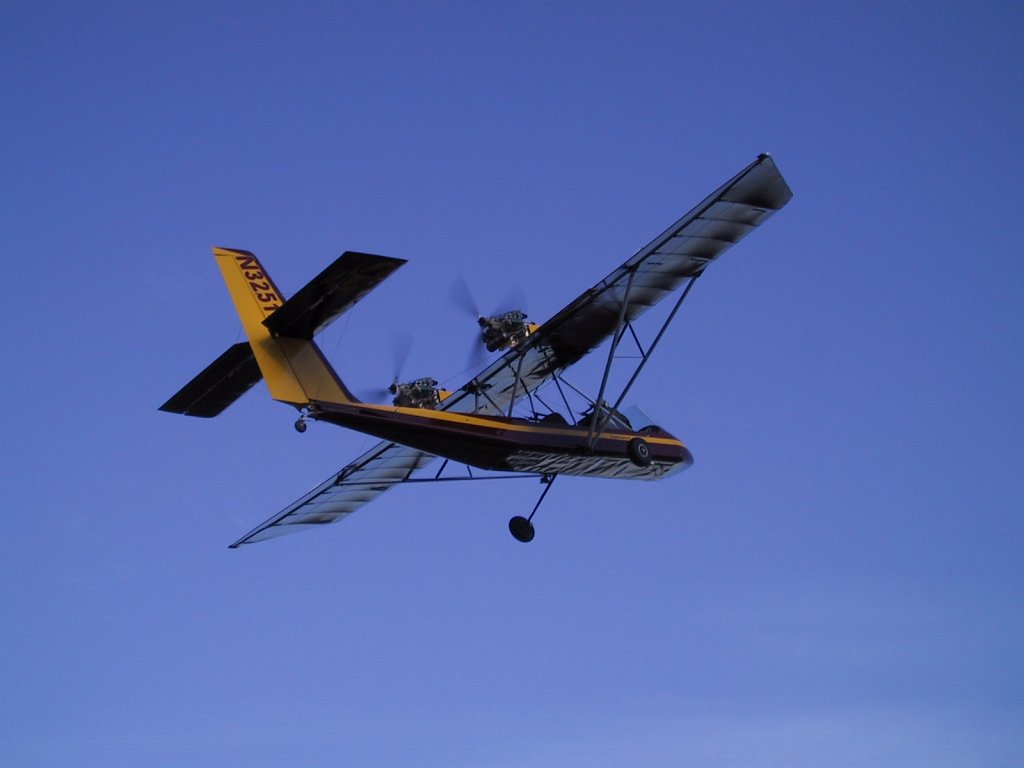
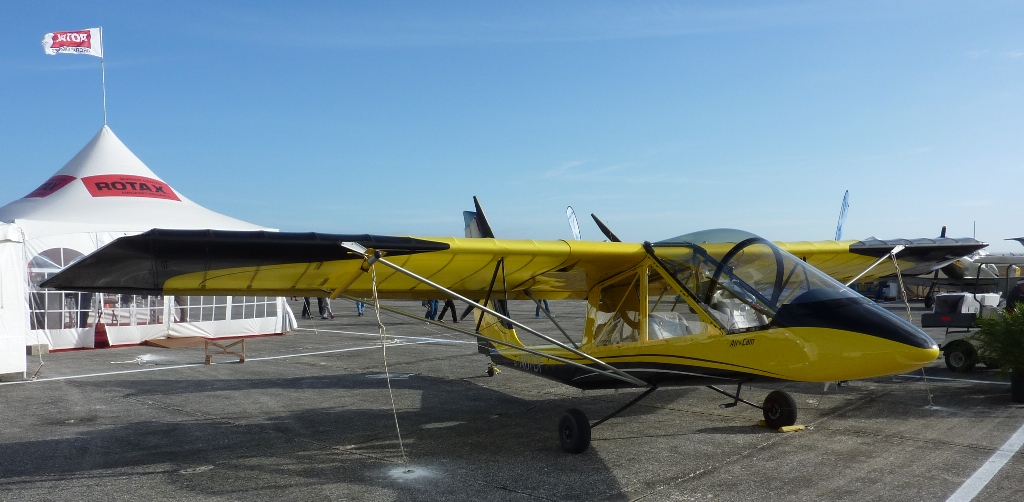
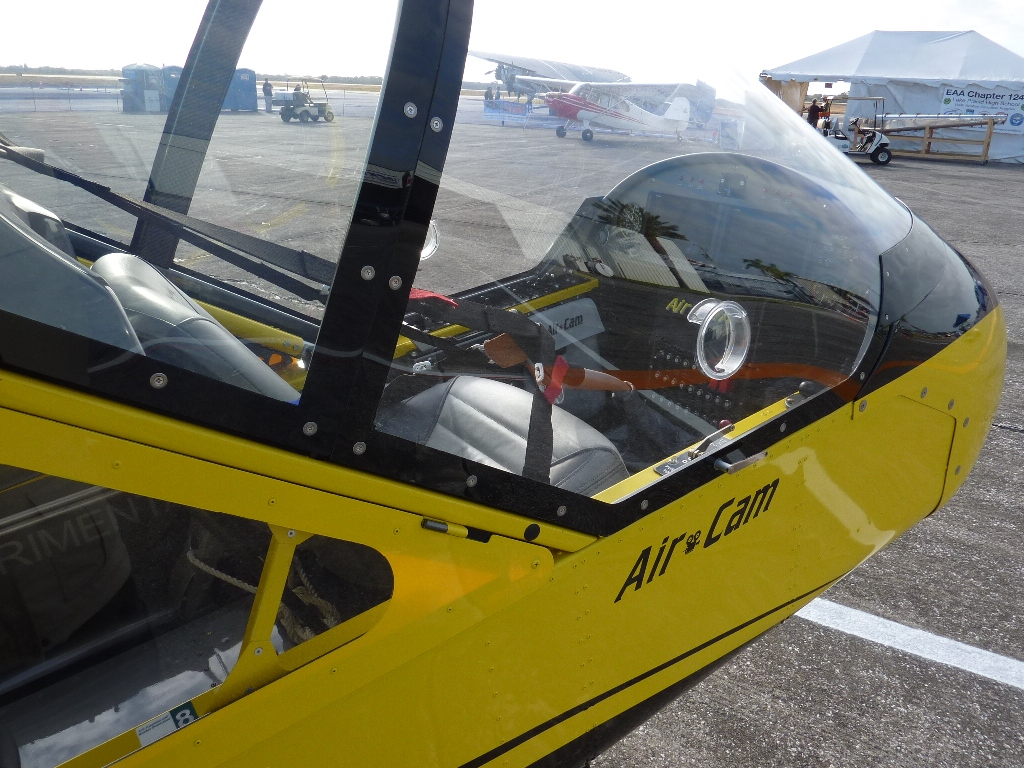
The Aircam was developed in the mind 90’s by Phil Lockwood for the National Geographic Society for photography & research in the rain forest of the Congo
The twin engine’s mounted close together coupled with its slower flying speeds adds extra margin for getting into areas that may be considered too risky for more conventional manned photo aircraft. The view out the front is very UN-restricted and bubble canopies are available for flying in rain / snow.
And for a good aerial photography alternate to the GoPro that has served me well is the EK7000 by Akaso, It has a remote control wrist strap & blue tooth connectivity that helps with remote mounting on an aircraft (wing tip, tail, under the fuselage)
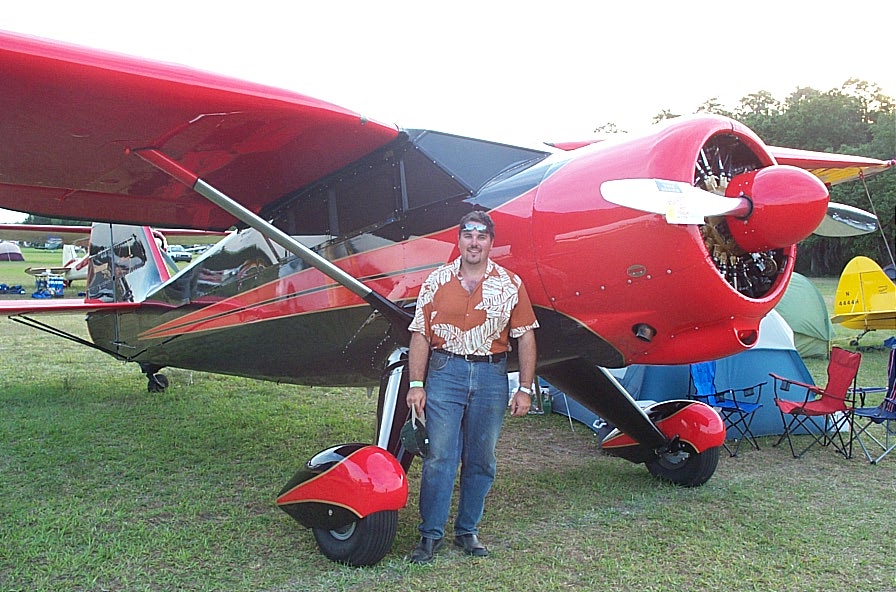
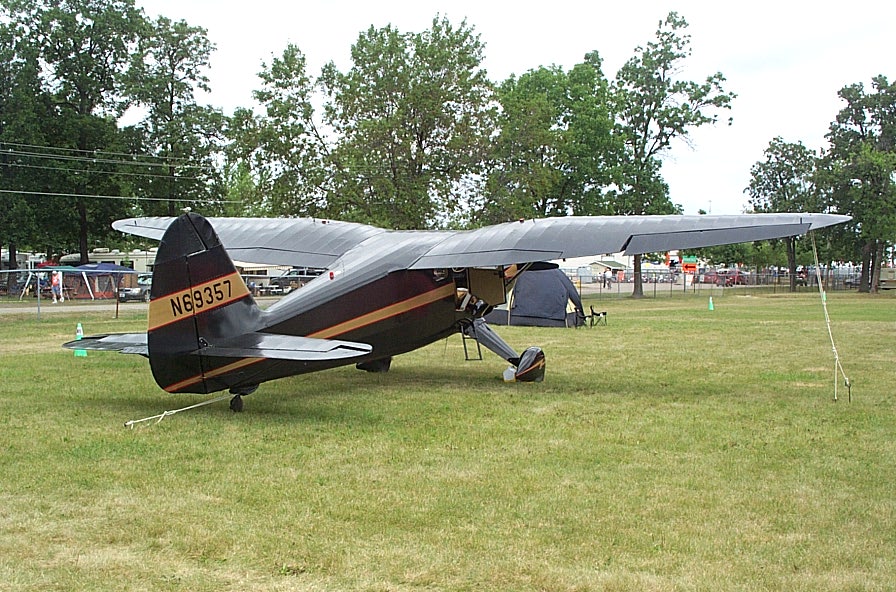
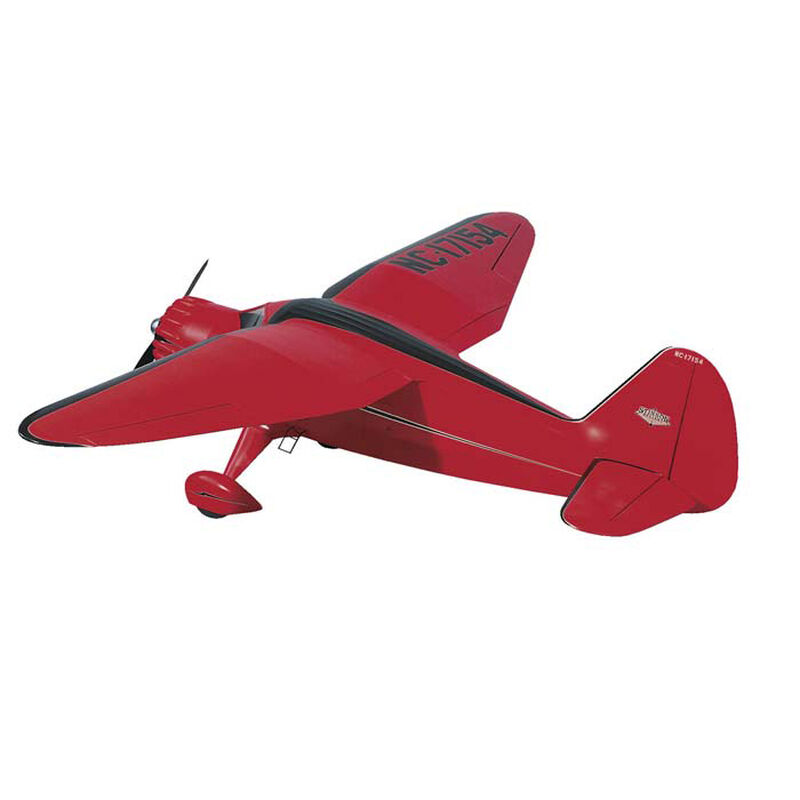
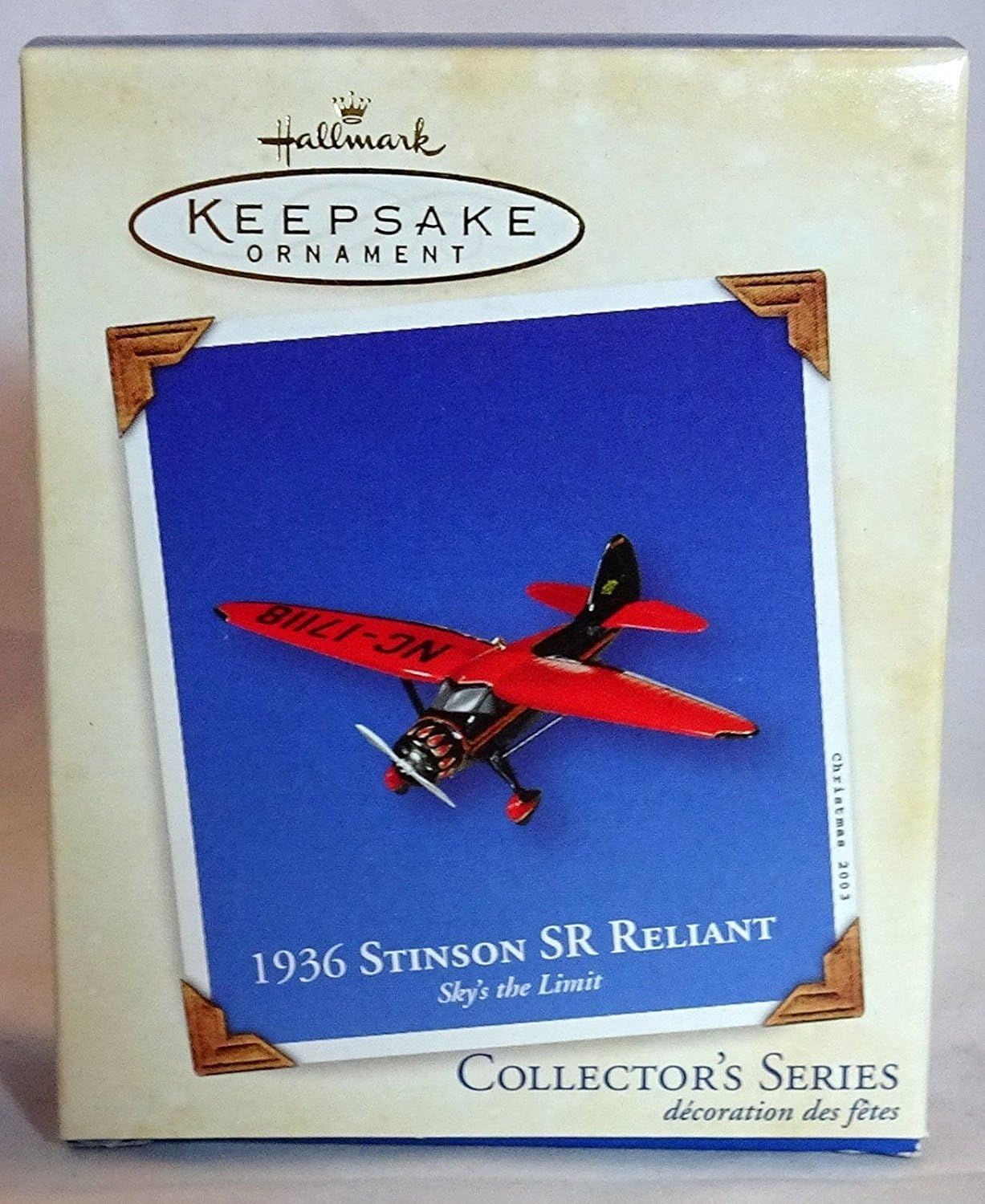
The Reliant is one of my favorite vintage planes, its also one of the few vintage aircraft I got some decent flight hours in.
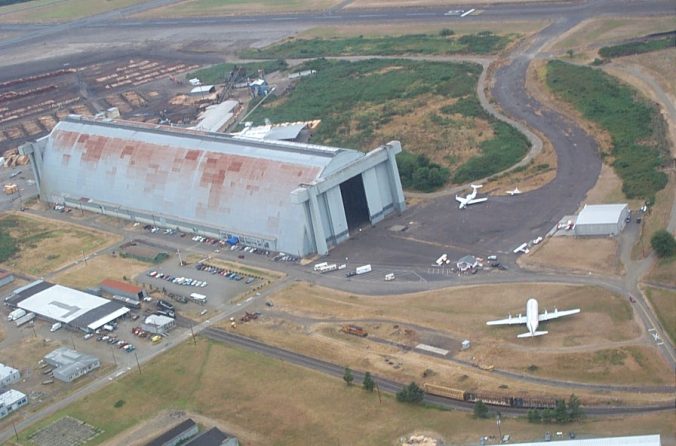
In the 90’s and early 2000’s the Tillamook Air Museum in Oregon had aircraft rides in a few aircraft, one of them N1942A was owned & flown by a very nice man named Larry who sadly passed away a few years ago. He Knew I was a pilot and once the aircraft was off the ground I got to fly it around Oregon’s scenic coast line on trips my family made to Oregon every 2 to 3 years.
Flight characteristics are quite easy going with well balanced controls.
One of the best attributes of the Reliant is its “realistic” cockpit, cabin and useful load. It’s a common sad joke in the US that many general aviation aircraft when you divide useful load by seat plus small cabin sizes you end up having to be 5′ tall and 100 lbs per person. Not with the Reliant there is plenty of room and capacity to spare.
Here are some mint condition Reliants I saw at Oshkosh 06
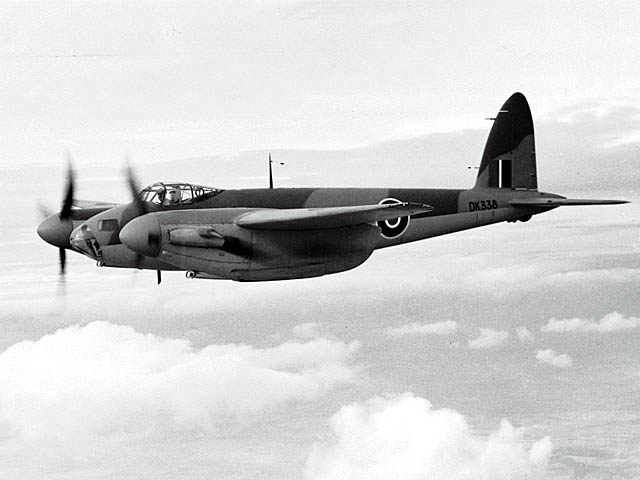
One of the most unique Propeller driven aircraft of WW2 I think is the De Havilland Mosquito. While most of the aircraft where classified into fighters or bombers, the Mosquito has an in between status with out the typical draw backs of combined use aircraft.
One of the other unique features of the Mosquito is it’s built out of wood. Despite being seen as an inferior material, performance numbers for top speed where in the same ball park at over 400 mph & a service ceiling of 37,000′. This aircraft also served all the way up to 1963 well into the jet age.
With 8 forward facing machine gun’s right in the nose this aircraft packs a serious punch.
For the RC readers there are some options:
Outerzone has a great free RCM Plan from 1978, this model has a 67″ span and would likely make a good electric model, preserving the streamlined cowlings.
This aircraft of the month is the Edgley Optica a Observation aircraft designed to be a low cost alternative to Helicopters. It was developed and manufactured in England in the 70’s. 22 Aircraft where built
The 8 Hour endurance at Loiter speed is impressive. The center mounted Ducted fan is something usually only seen on models.
Outerzone does not currently have any options for the Optica but there is a UK web site where you can buy plans for a 2M wing span version with .60 glow power:
The Schweizer 2-33 is a very popular training glider, I got to do some glider training on one at the main Glider training base in Boulder Municipal Airport in Colorado in the 90’s. Glider training still goes on at this airport, check out https://www.milehighgliding.com/ to learn more.
The aircraft was easy to fly and had simple & conventional construction. Like the contemporary 172’s & PA-28’s peak production was in the 60’s – 70’s.
The market’s voting dollars however chose sleek composite sail planes in the early 80’s ending production on the 2-33.
The 2-33 is still a good gliding trainer. Like Acrobatic training ability to grow performance skills, glider training gets conventional pilots more skills in the case of an engine out.
The 2-33 also has the same NACA 63-618 Airfoil as the SP-500 offering Aerodynamic & Structural efficiency
Not too many RC options, none on outerzone yet. If your gun-ho for a RC model Aviation Concepts has a 1/3 scale version with a mammoth 17′ wing span
On my commute to work I listen to a lot of audio books on Audible, the current book I’m on is Sam Waltonmade in America (the auto biography of the man who started Walmart)
I was surprised to how much of a role general aviation played in his success in building one of the largest and most profitable companies on the planet. He got his pilots license and the first aircraft he bought for business travel was a Ercoupe N2278H
He not only used general aviation as a faster and more efficient commuting method to check in on his stores he also used it as aerial scouting for new sites for stores decades before internet sites like google earth / maps and real estate sites.
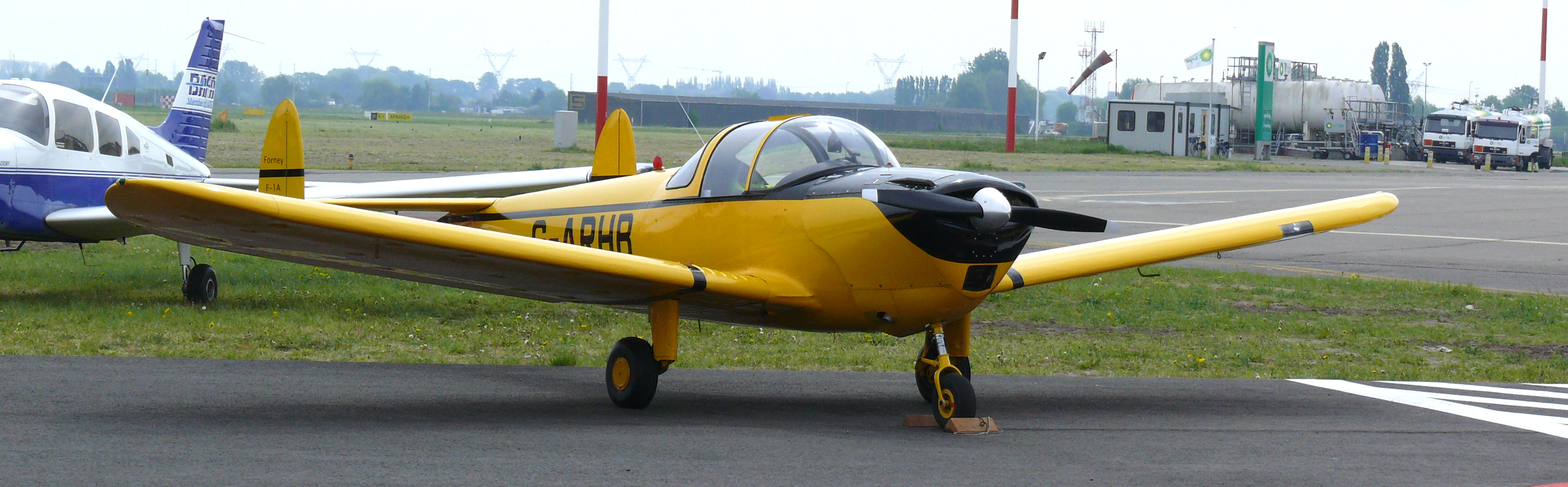
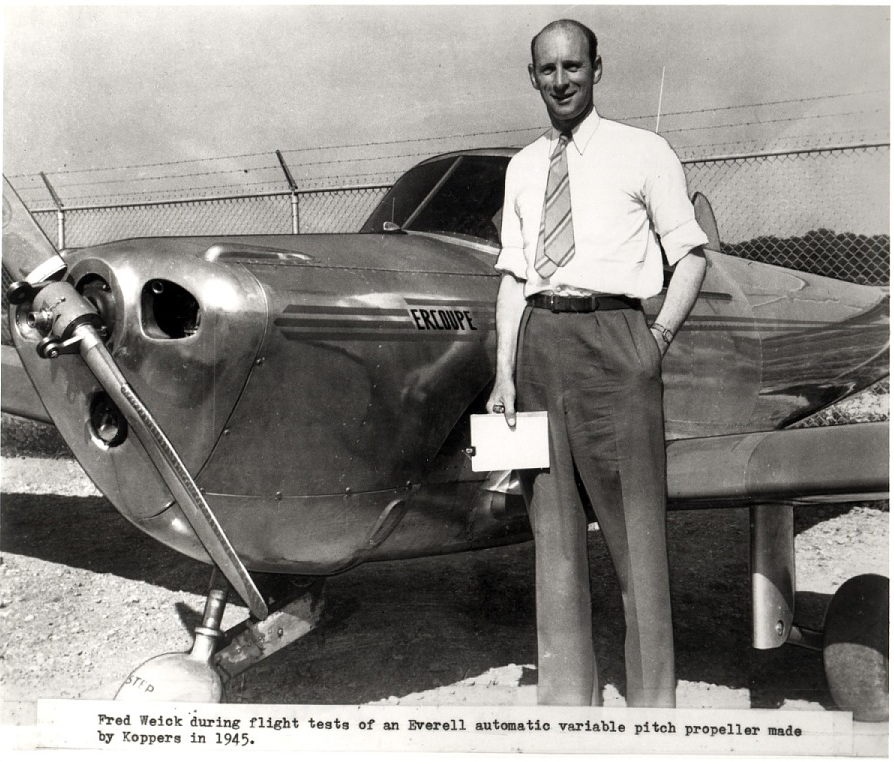
Another connection to the Ercoupe is Fred Weick, who deigned this aircraft for ERCO in 1936. Fred later went on to Piper Aircraftin Vero Beach where he went on to be the lead designer in the Cherokee series. I worked at the same plant from 2005 – 2008 on many of his designs.
Ercoupe’s are still a viable & low cost option today for general aviation. Airworthy examples can be found below $20K
Many of these are from the 40’s-60′ and original designed for free flight but with today’s modern electric motors and micro servos they could easily become RC aircraft.
One of my EAA chapter 203 friends & former co-worker Kevin Sheely built one and has been flying it for years. The craftsmanship is immaculate and many of the design features are very unique. You can read more about his aircraft on the chapter 203 web site, formatting of this page you have to scroll about half way down before it starts.
I’ve also seen a single seat version built and flown buy a very thin man under the age of 20.
Surprisingly the EAA web site does not have a page dedicated to the Quickie?
The original Quickie was designed by Burt Rutan in the 70’s. Gene Sheehan & Tom Jewett created a 2 seat-er based on Rutan’s work. The original company is gone however quick heads has taken up the support for the aircraft.
The aircraft is very compact (like Pitts Special compact) while being very fast and fuel efficient.
You can still buy plans for both the single seat & 2 seat versions on the site at low cost. The kit version had a pre-molded fuselage, with plans its built from templates. Quickheads also offers CNC cut foam cores and hardware packages.
Now for some videos:
There are some RC options as well for the Quickie.
1982 RCM plan for the single seat-er from outerzone with a 55″ W.S.












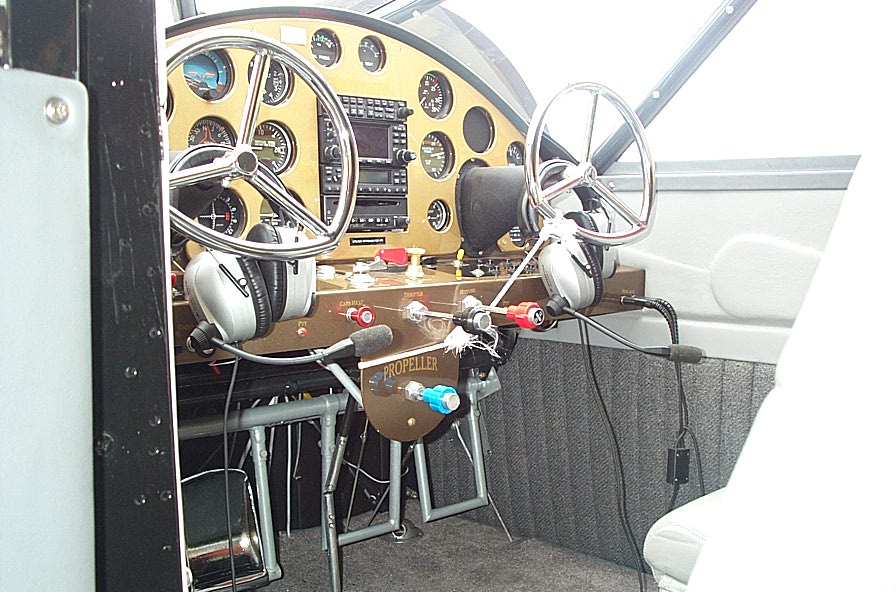
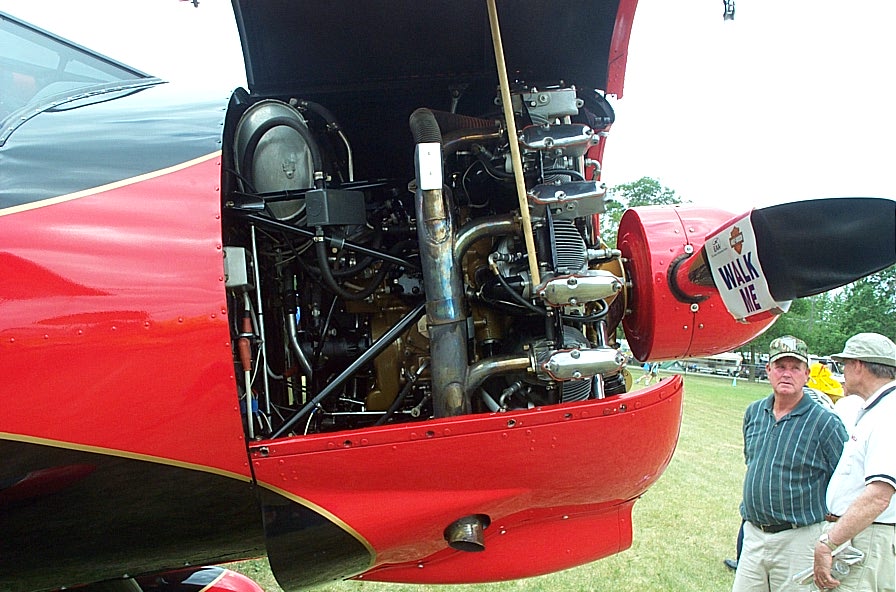
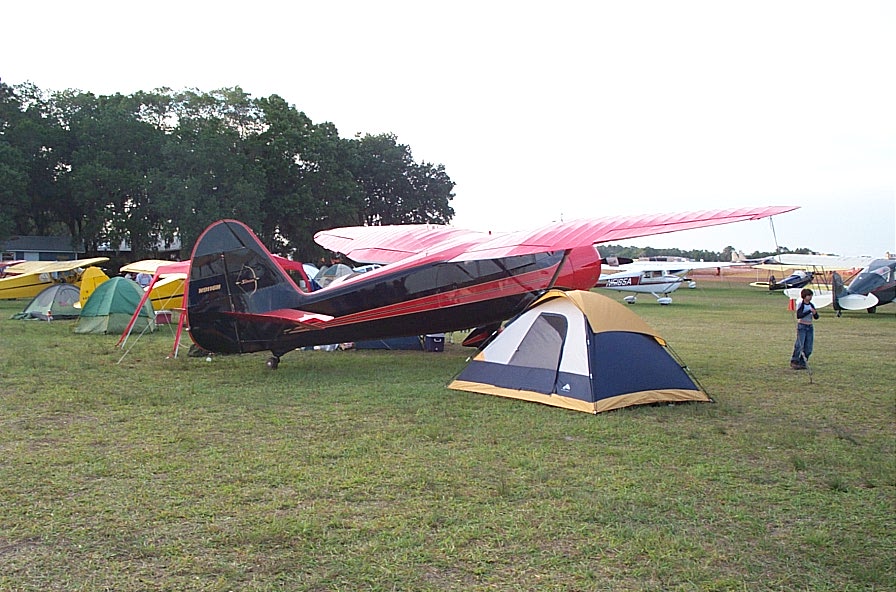

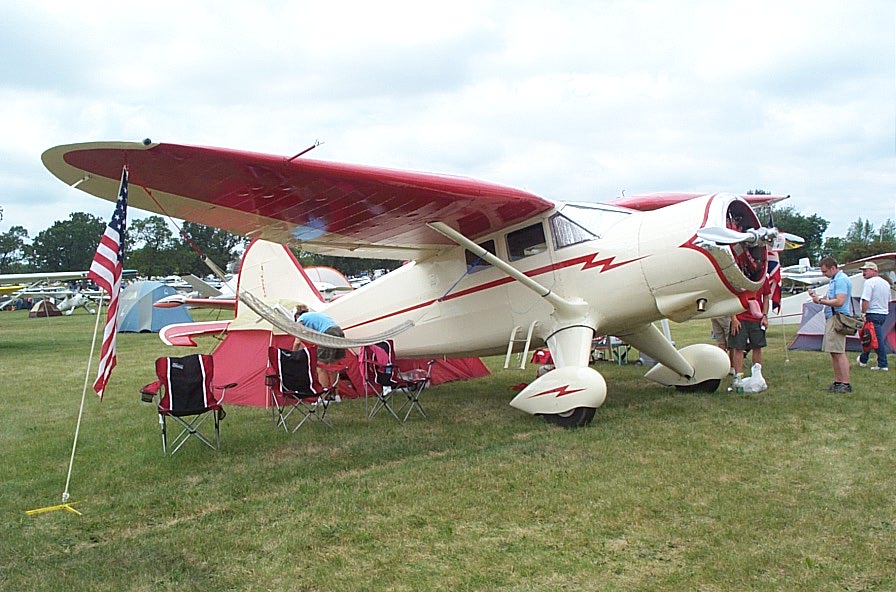
















 Gould Aero